Youth-led movements have emerged as a powerful political force across South Asia in recent years, although each has been driven by different local issues and circumstances. From Sri Lanka and Bangladesh to Nepal and India, Generation Z has played a significant role in influencing political developments and public policy.
One of the defining features of Gen Z movements across South Asia has been their extensive use of social media. In Sri Lanka, Bangladesh, Nepal and India, young protesters relied on platforms such as Facebook, Instagram, X, TikTok, WhatsApp, Telegram and YouTube to organize demonstrations, share real-time updates, livestream protests, counter official narratives and mobilize supporters within hours. Memes, short videos, hashtags and influencer campaigns became powerful tools for engaging millions of young people.
Even during internet restrictions in some countries, activists used virtual private networks (VPNs) and encrypted messaging apps to maintain communication. The digital-first approach enabled largely decentralized movements without traditional political leadership, allowing young people to coordinate nationwide protests quickly and sustain public attention both domestically and internationally.
Gen Z in Sri Lanka
Sri Lanka witnessed the region’s first major Gen Z-led uprising in 2022. Public anger over corruption, economic mismanagement and the country’s deep financial crisis intensified after Sri Lanka declared a sovereign default in April 2022, following the collapse of tourism and worsening economic conditions during the COVID-19 pandemic. Although protests had begun in March 2022, they reached their peak on July 9, when demonstrators occupied the presidential residence and other key government buildings. President Gotabaya Rajapaksa fled the country and resigned on July 14, leading to a change in government. Parliament later elected Ranil Wickremesinghe as president on July 20.
Bangladesh Movement
The next major youth movement emerged in Bangladesh in 2024. It was initially triggered by a court decision restoring a quota that reserved 30 percent of government jobs for descendants of veterans of the 1971 independence war. What began as a student protest quickly evolved into a nationwide movement against the government. On August 5, 2024, hundreds of thousands of protesters marched across Dhaka and other cities. Facing mounting pressure, Prime Minister Sheikh Hasina resigned and left the country, bringing her 15-year rule to an end.
Nepali Youth
Nepal’s Gen Z movement followed a different path. Rather than being sparked by a single incident, it developed over several years as young people became increasingly frustrated with corruption, political instability and limited economic opportunities. The movement reached its peak in 2025, resulting in the resignation of Prime Minister K.P. Sharma Oli. It ultimately paved the way for a new generation of political leaders through elections held in 2026.
Jantar Manter Youth
India’s recent Gen Z movement focused primarily on education reforms rather than a change of government. It gathered momentum over concerns about examination irregularities, youth unemployment and demands for greater accountability in the education sector. The movement gained further visibility after the youth-led Cockroach Janta Party (CJP) joined the protests. Following weeks of demonstrations and growing public pressure, Education Minister Dharmendra Pradhan resigned on July 25, 2026. While the movement did not seek to change the government, it succeeded in forcing the resignation of a senior cabinet minister.
Now All Eyes on Pakistani Youth
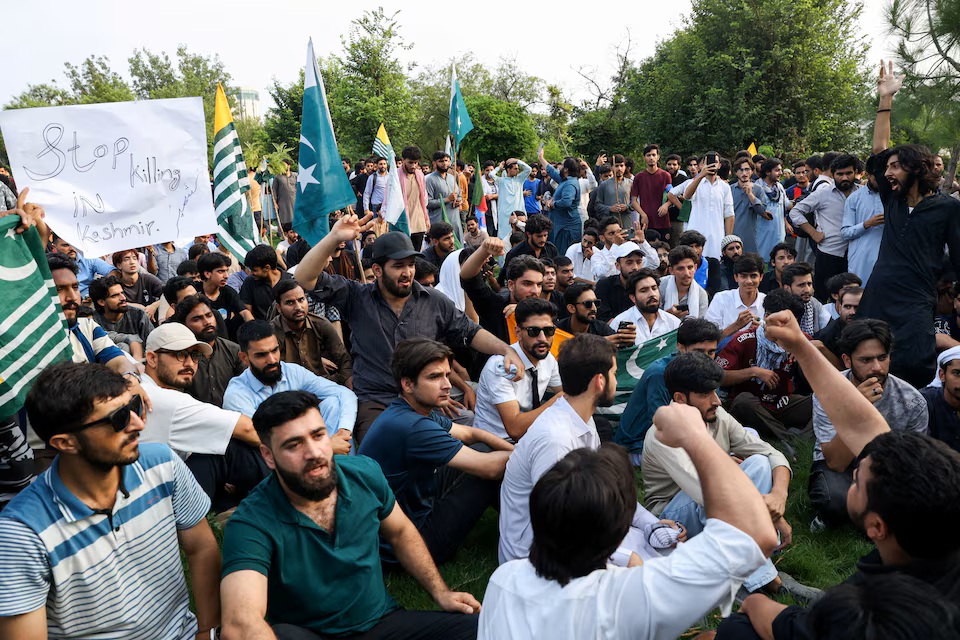
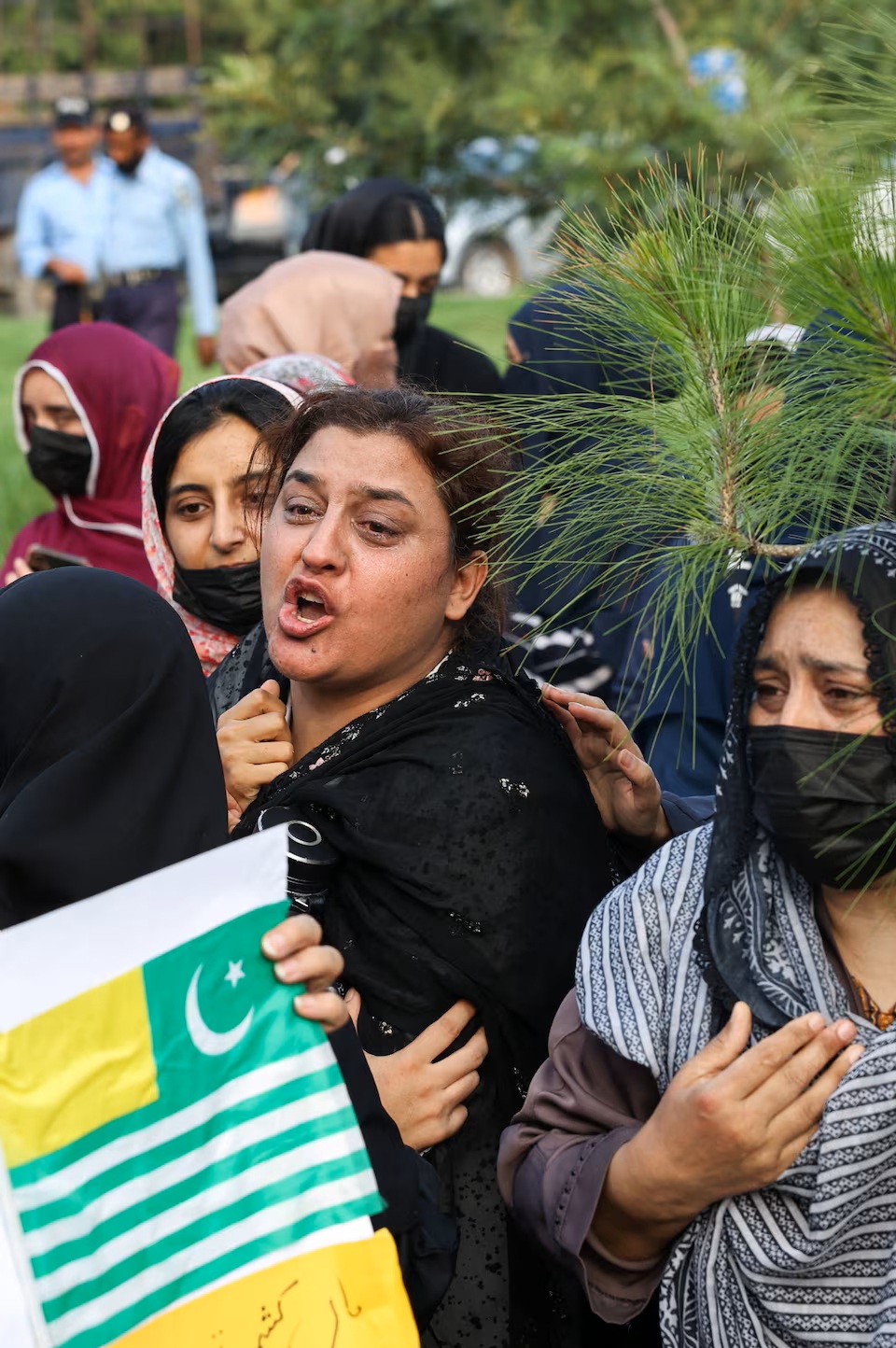
The ongoing mass movement in Pakistan-administered Azad Jammu and Kashmir (AJK) is increasingly being described by some observers as a Gen Z movement. Despite a month-long internet shutdown and restrictions on national television channels from broadcasting news about the prolonged protest, demonstration and sit-in at Rawalakot, the movement has attracted significant attention from international media. The national media is restricted not to air/broadcast the protest news.
Like other recent youth-led movements across South Asia, the Rawalakot protest has relied extensively on social media. Platforms such as Facebook, WhatsApp, X, YouTube and TikTok became the movement’s primary means of mobilising supporters, announcing rallies, livestreaming demonstrations and coordinating protests across AJK.
After authorities imposed internet restrictions and suspended mobile data services, activists increasingly turned to alternative communication channels and citizen journalism to circulate information and document events. Supporters also used social media to bring international attention to the movement and to counter what they viewed as limited coverage by Pakistan’s mainstream media. The authorities, however, accused activists of using online platforms to spread misinformation and incite unrest.
Two major political parties, Pakistan Muslim League (N) and Pakistan People’s Party, are actively participating in the general elections for AJK Assembly and first phase of polls has already been completed.
The Kashmiris movement traces its origins to 2023, when traders, transporters, lawyers, students and civil society groups united under the banner of the Jammu Kashmir Joint Awami Action Committee (JKJAAC) to protest rising electricity tariffs, soaring wheat flour prices and inflation. It gained nationwide prominence during the May 2024 Long March, when thousands of people demanded subsidised electricity generated from AJK’s hydropower resources, lower wheat prices, an end to elite privileges and greater government accountability. Following deadly clashes, the federal government accepted several key economic demands, including subsidies on electricity and wheat flour.
However, the movement did not end there. Protesters insist on demand for changes to the region’s electoral system by removing some seats, which are reserved for immigrant Kashmiris. Government’s point of view is that an amendment in Azad Jammu and Kashmir Interim Constitution Act, 1974 is a must for a change in electoral system. Tensions escalated further in 2026 after the government banned the JKJAAC, after triggering of renewed protests, clashes with security forces and allegations of human rights violations.
The tension has heightened in last week of July 2026 after reports of clashes with police after the first phase of the AJK elections. According to a Reuters report dozens of protesters have lost their lives, while some police personnel were also injured or died.
Despite the fact the election process in AJK is going on in the valley, the youth movement is also continued.
Conclusion
With youth-led movements influencing politics across much of South Asia, attention is increasingly turning to Pakistan, where many observers are watching to see whether Generation Z will also emerge as a significant political force.
South Asia also includes the Maldives, Bhutan and Afghanistan. Unlike Sri Lanka, Bangladesh, Nepal and India, these countries have not witnessed comparable youth-led political movements in recent years. The Maldives is a presidential republic, Bhutan is a constitutional monarchy, while Afghanistan has been under Islamic militants Taliban rule since 2021.
Photo credit: Reuters