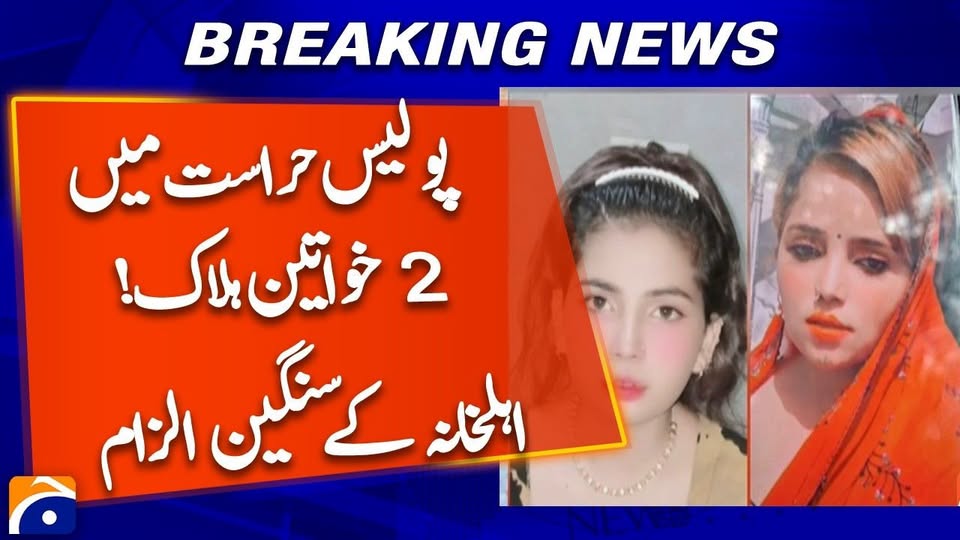
Police Gardi in Punjabi Police: Two young women die in police custody in Punjab, and the police explanation is that both suffered heart attacks, apparently at the same time. The claim itself raises serious questions. Yet, instead of demanding an independent and transparent investigation, the system seems ready to accept the police version.
Karachi has recently witnessed a very different example. In the Ali Raza case, the police investigation officially declared the death a suicide, and even the controversial post-mortem report appeared to support that version. But Ali Raza’s father refused to accept the police narrative.
Then Karachi’s Gen Z stepped in. Young people took to the streets and demanded answers. The issue did not remain confined to the police file. A senior police surgeon also raised questions about the post-mortem report. Human rights lawyer Jibran Nasir took up the matter, the body was exhumed and a second post-mortem was conducted. The findings reportedly changed the entire direction of the case and pointed towards murder rather than suicide.
The police chief was subsequently compelled to constitute another investigation team. Now, at least, there is some hope that the truth may eventually come out.
But will the family actually get justice? That remains a big question. Police’s record gives us little reason for optimism. The murder of Naqeebullah Mehsud and the long struggle for justice (supported by the same lawyer Jibran Nasir) against the notorious police officer Rao Anwar remain a painful reminder of how difficult it can be to hold powerful police officials accountable.
What is even more disturbing is the apparent silence over the deaths of the two young women in Punjab police custody. Where are the questions? Where is the public outrage? Where is Punjab’s celebrated model of “good governance”? And where is the much-praised Gen Z when young women allegedly die in state custody? I am also disappointed with my own Human Rights Commission of Pakistan and so-called Women Action Forum.
Perhaps the real test of good governance is not roads, buildings, publicity campaigns or political slogans. It is whether the state can protect an ordinary citizen from its own institutions.
And when a citizen dies in police custody, the first responsibility of the state should be to establish the truth, not to manufacture an explanation.
Punjab government needs an independent investigation into these deaths, not another police version of events. Postmortem report by Police surgeon might have been manipulated and powerful mafia in police ranks may influence the independent investigations and case is closed forever.
Good governance without human rights, accountability and justice is merely good public relations.